


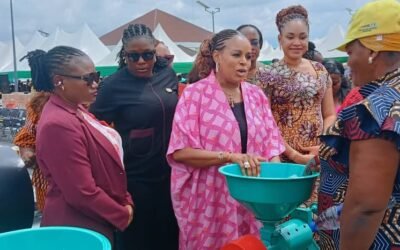






The Cross River State Ministry of Commerce has concluded its statewide stakeholder engagement for the development of the Cross River State Trade Policy, with the final consultative meeting held on March 12, 2026, at the Ogoja Council Hall for the Northern Senatorial District.
The engagement, which spanned the three senatorial districts of the state, is part of the government’s commitment to a bottom-up approach to policy formulation. It is aimed at ensuring that the perspectives of traders, producers, transporters, market leaders, business associations, and local government representatives are adequately reflected in the proposed Trade Policy.
Declaring the session open, the Honourable Commissioner for Commerce, Hon. Dr. Mrs Abigail Duke said the policy development process is guided by the “People First” mantra of the Governor, emphasizing the administration’s resolve to implement policies that address the real needs of citizens, particularly grassroots economic actors.
READ ALSO: Nigerian judge leads CAF panel that nullified Senegal’s 2025 AFCON victory
She noted that the statewide consultations underscore the government’s determination to produce a Trade Policy that is inclusive, practical, and implementable.
The technical session featured a presentation on the proposed Trade Policy pillars by the Executive Secretary of the Chamber of Commerce, Mr. Kenneth Asim Ittah. He outlined key focus areas, including strengthening trade regulation, promoting local enterprise development, improving market access, supporting value addition, and positioning Cross River State for increased participation in national and regional trade.
Stakeholders actively participated in the deliberations, offering critical inputs during the technical and question-and-answer sessions. Key challenges identified include transportation constraints, poor market infrastructure, regulatory bottlenecks, and the need for stronger protection of local businesses.
A major recommendation from stakeholders in the Northern Senatorial District was the inclusion of an additional policy pillar to address security concerns in business and trading environments. They stressed that the safety of goods, traders, and transport routes is vital for sustainable economic growth.
In her closing remarks, the Chairman of the Trade Policy Development Committee, Prof. Susana Ben Ohen, commended stakeholders for their active participation throughout the consultative process across the state.
She reiterated that the participatory approach was deliberately adopted to ensure the policy reflects the realities on the ground and serves as a practical guide for trade development in the State.
Ohen also assured participants that all contributions would be carefully reviewed and incorporated into the final policy document.
The meeting attracted a wide range of stakeholders from the Northern Senatorial District, including representatives of local government councils, market associations, transport unions, farmers’ groups, business communities, and traditional institutions.
Representing the Chairman of Ogoja Local Government Council, the Secretary of the Council commended the state government for taking the consultation to the grassroots and pledged the council’s support for the successful implementation of the Trade Policy upon completion.
With the conclusion of the Ogoja engagement, the Ministry has completed the statewide consultation phase, paving the way for the final drafting and validation of the Cross River State Trade Policy, which is expected to provide a comprehensive framework for regulating trade, promoting local enterprise, strengthening markets, and driving economic growth across the State.