






Stakeholders across Cross River State have called for a paradigm shift toward grassroots-driven strategies and improved water infrastructure to eliminate open defecation and restore the state’s leadership in public sanitation.
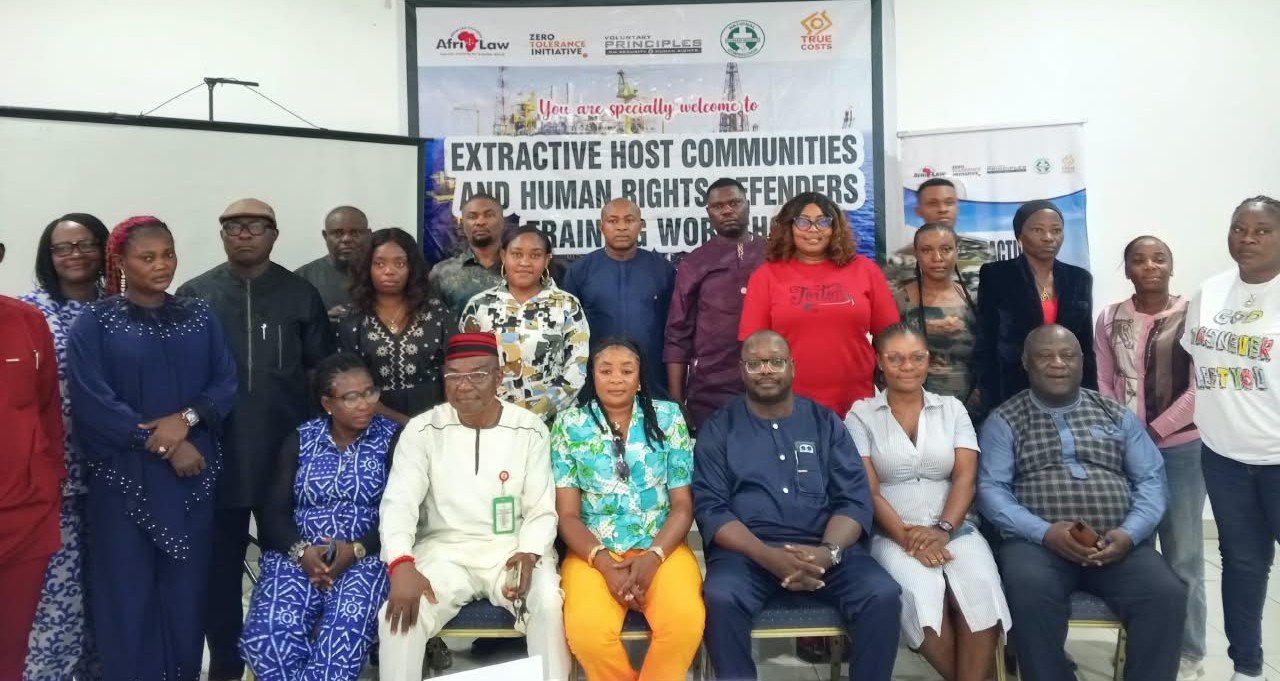
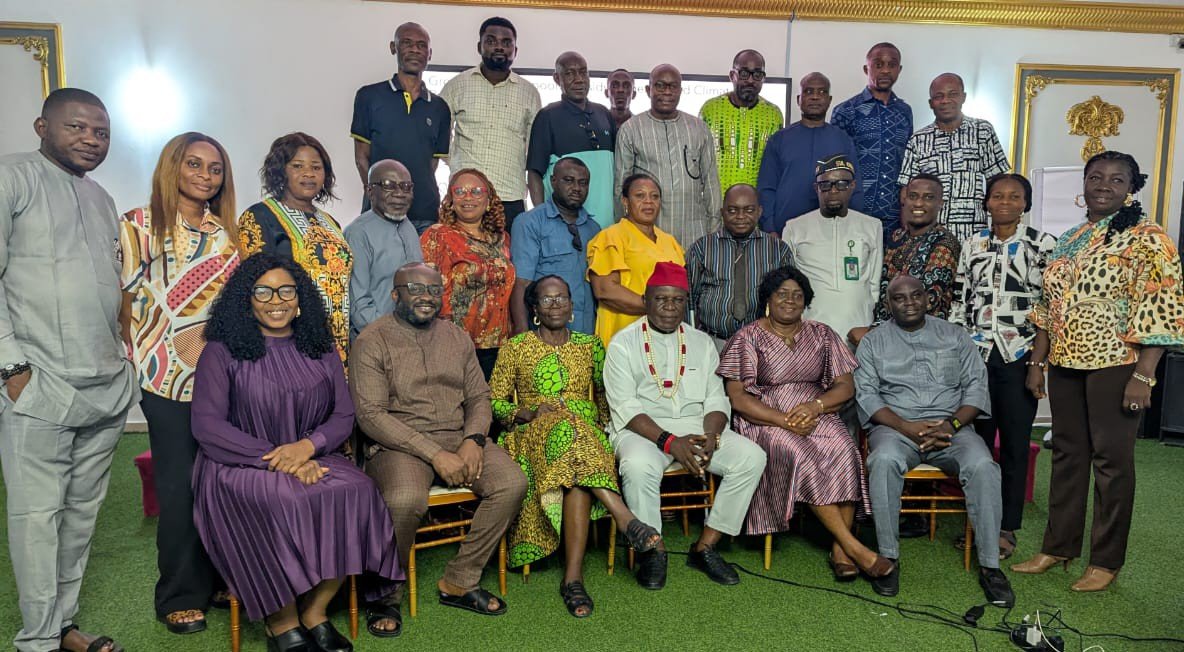
The call was the centerpiece of a two-day “Basic Sanitation Access Roadmap Draft Review Workshop” held recently in Calabar. The event brought together traditional rulers, government officials, and development partners to evaluate progress and address the stalling momentum in the state’s sanitation sector.
A recurring theme throughout the workshop was the indispensable role of potable water in maintaining hygiene. Chief John Nkanu Ivon, a community leader from Abi Local Government Area, argued that sanitation campaigns are ineffective without reliable water access.
READ ALSO: Anambra Farmers laud Tinubu, Soludo Commitment Towards Achieving Food Surplus in Nigeria
“You cannot preach hygiene and sanitation when there is no water. Water solves most of the problems,” Chief Ivon stated. He lamented the decline of rural water infrastructure, noting that while many communities once enjoyed flowing potable water, they now struggle with non-functional boreholes.
“In our community, we built shared toilets and introduced a system where users contribute to maintenance. We have youth task forces to monitor compliance, but we need the government to fix the water supply to make these efforts sustainable,” he added.
The workshop highlighted successful local initiatives, such as community-managed public toilets and enforcement task forces. However, participants emphasized that local government authorities must lead by example. Chief Ivon specifically urged council headquarters to ensure their own facilities are functional models of water and sanitation standards.
Susan Offiono, the South-South Zonal Coordinator of the Clean Nigeria Campaign, reminded attendees of Cross River’s history as a pioneer in the sector. The state was the first in Nigeria to have a Local Government Area (LGA) achieve “Open Defecation Free” (ODF) status.
“This roadmap provides an opportunity to reflect, refocus, and accelerate efforts,” Offiono said. While she noted that progress has slowed, she commended the state government’s recent release of counterpart funding for sanitation programs in Obubra, describing it as a vital sign of political will.
Dr. Fred Okem, Chairman of Yala Local Government Area, underscored the public health implications of the roadmap. He noted that improved hygiene practices are the most direct route to reducing the disease burden in rural communities.
The workshop concluded with a series of recommendations, including the prioritization of the repair and construction of water, sanitation, and hygiene (WASH) infrastructure; shifting from top-down mandates to local involvement in planning and implementation to ensure long-term facility maintenance; and the establishment of consistent oversight to prevent communities from sliding back into old practices after achieving ODF status.
Stakeholders left the two-day session with a renewed commitment to prioritizing water access and scaling up community-led initiatives to ensure a cleaner, healthier Cross River State.