










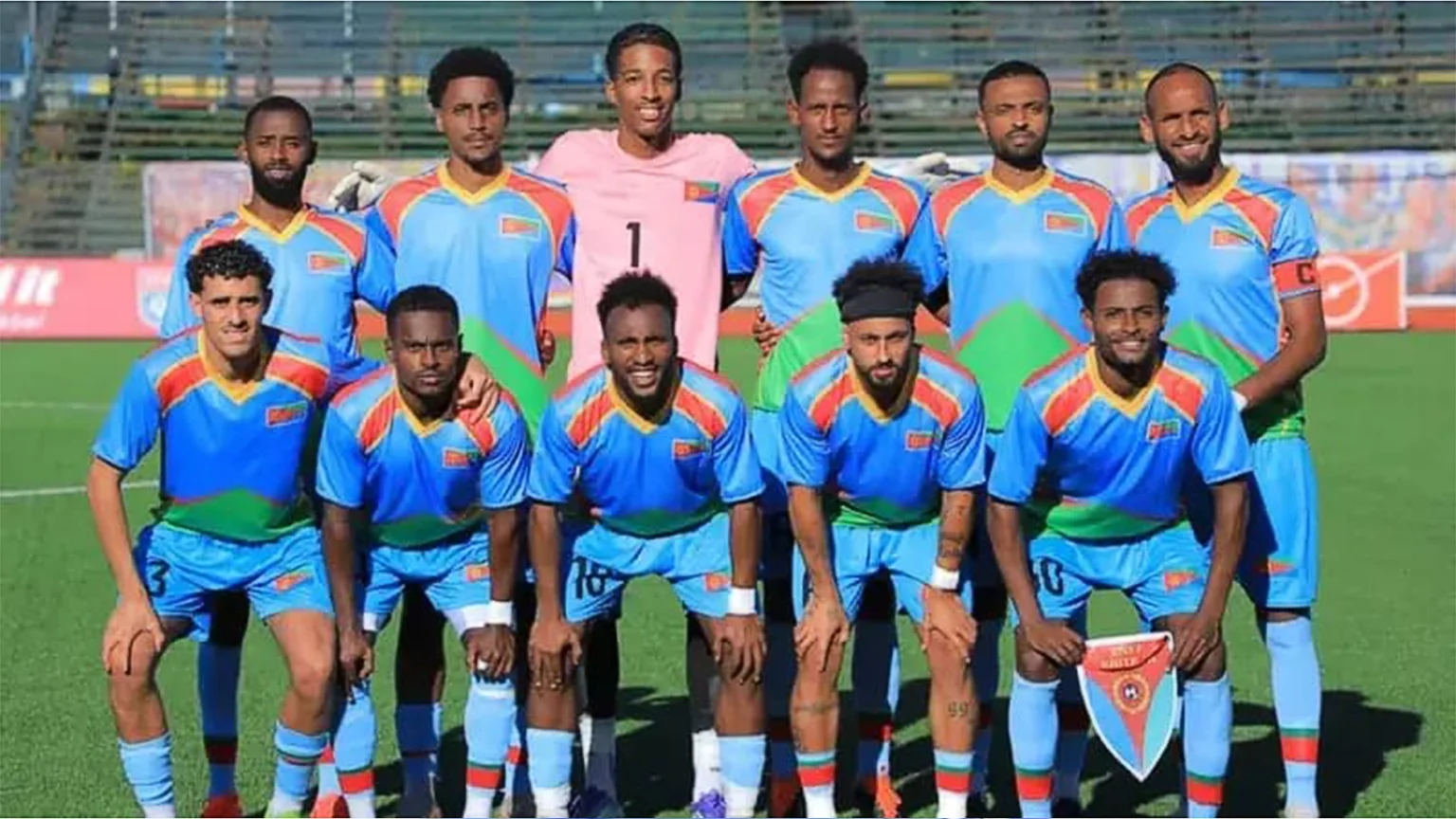
Seven players from the Eritrean national football team, which secured a historic victory in Eswatini last week, have failed to return home, a source close to the team told the BBC.
While some members of the squad travelled back from neighbouring South Africa, the seven players are reported to have absconded.
There have been several cases in recent years of Eritrean athletes failing to return home after international competitions.
Rights groups have described the government in Asmara as highly repressive, a claim the authorities deny. Despite its small population, hundreds of thousands of Eritreans have sought asylum abroad.
The development is a setback for the team, which had been celebrating its 2–1 win in Eswatini and 4–1 aggregate victory, marking its return to the Africa Cup of Nations qualifying group stage for the first time in 19 years.
Only 10 of the 24-man squad were based in Eritrea, and just three of those players—including captain Ablelom Teklezghi—have reportedly returned, sources in Asmara told BBC Tigrinya.
While the whereabouts of the missing players remain unclear, reports suggest some have been seen in South Africa.
Those believed to have absconded include goalkeeper Kubrom Solomon and veteran winger Medhanie Redie.
Eritrea’s state media has been unusually silent on the team’s return, which would normally be marked by public celebrations.
Sources said planned reception activities were cancelled following news of the players’ disappearance.
The spokesperson of Eritrea’s Sport and Culture Commission had earlier shared updates on social media, posting images of returning players and staff in Cairo, where the Eritrean embassy and community members organised a reception during their transit.
However, only players who later flew back to Asmara were present in the images.
Many Eritrean fans had hoped the victory would mark a revival of the country’s football fortunes, but the latest development echoes a long-standing pattern.
Over the past two decades, Eritrean national teams at various levels have experienced repeated cases of players disappearing during or after international competitions.
In 2019, seven players from the under-20 team went missing after a regional tournament in Uganda.
In 2015, 10 senior team players refused to return after a World Cup qualifier in Botswana.
Two years earlier, 15 players and a team doctor were granted asylum in Uganda after going missing.
In 2009, nearly the entire senior team—except the coach and an official—failed to return from a tournament in Kenya.
Culled from The Guardian