By Kelvin Obambon
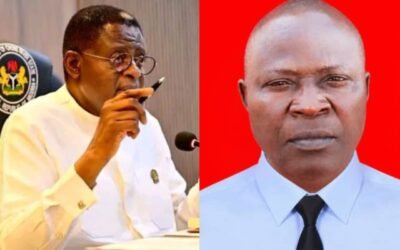
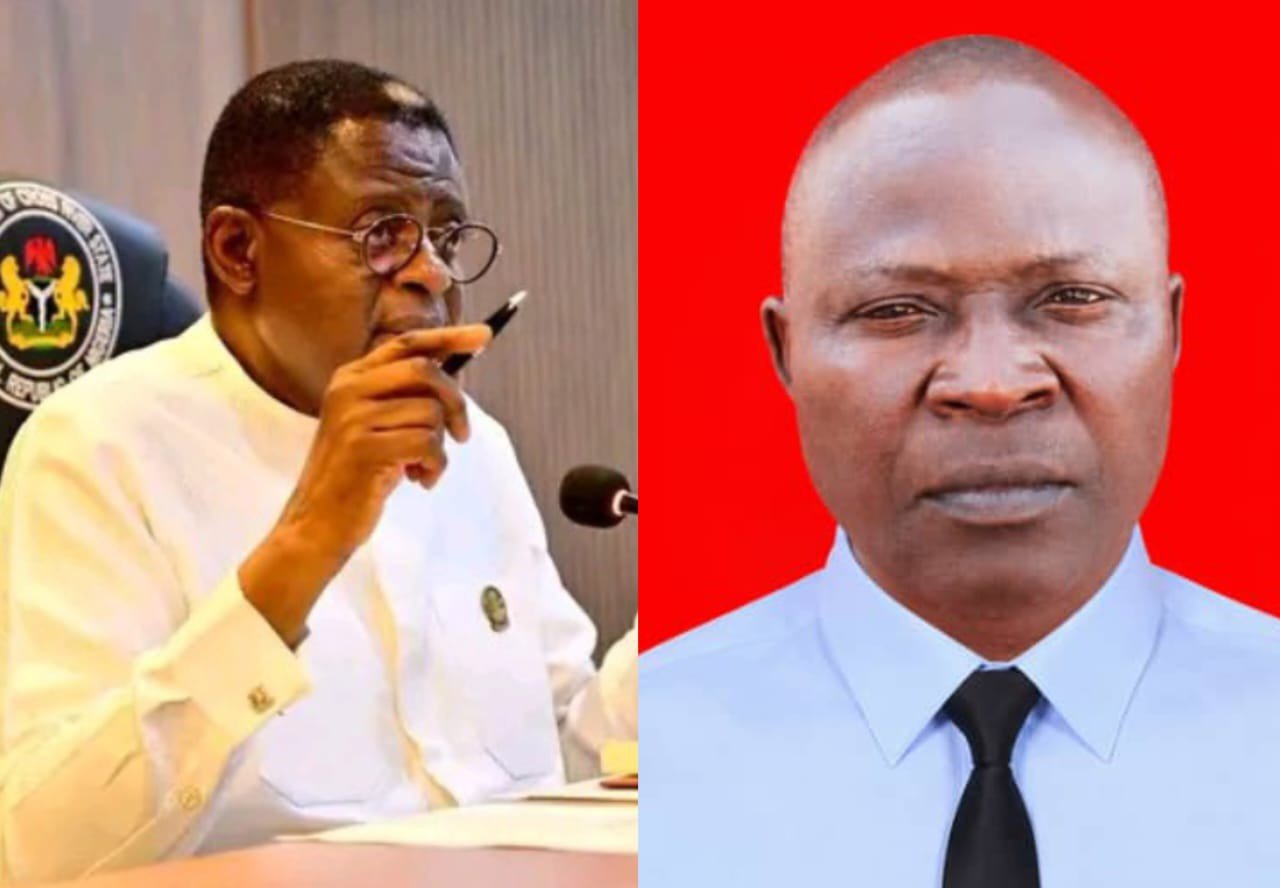
Cross River State’s proposed 2027 budget estimate of N987.8 billion is designed for consolidation rather than expansion, Special Adviser to the Governor on Budget Monitoring and Evaluation, Dr Peter Uklala said on Saturday.
Giving an analysis of the proposed budget in Calabar, Dr Uklala described the estimate, already laid before the State House of Assembly and titled “Budget of Consolidation and Renewed Hope,” as a realistic plan to complete ongoing projects. “It is not a budget of starting new things, but finishing strong,” he said. “Consolidation… is to finish the route we started, make Bakassi deep sea port a reality, make our new aircraft work for our economy and secure our human capital projects that touch lives.”
He rejected claims that the figure is ambitious, noting it is only about 2.5 per cent higher than the 2026 budget. “The governor is very clear: budget must not be history book of awards. It must be people’s livelihood.”
According to him, infrastructure tops the allocations with N246.1 billion, followed by education (N99.6 billion), health (N85.4 billion), agriculture (N28.2 billion), aviation (N21.8 billion), the House of Assembly (N20.2 billion), the judiciary (N19.1 billion), power (N16.6 billion), tourism (N11.3 billion), special duties (N10.8 billion), science and technology (N6.1 billion), information (N4.7 billion) and women affairs (N4.7 billion). General administration and related items account for N413.2 billion, covering salaries, pensions, gratuities, security and servicing of inherited debts.
Dr Uklala stressed that Governor Otu has taken no new loans since assuming office, disclosing that more than N35 billion has already been paid in the third quarter of 2026 toward legacy debts. He explained that capital expenditure is projected at about 71.72 per cent of the total, a deliberate focus on projects that create wealth and lower living costs.
Education funding, according to the SA, will rehabilitate dilapidated public schools, supply desks, textbooks and equipment, and continue payment of senior secondary school examination fees amounting to about N1.7 billion yearly for less-privileged students.
He revealed that the Ministry of Women Affairs is adequately provided for to support women, children, persons with disability and other vulnerable groups. Rural roads under the Cross River Rural Access and Mobility Project and responses to environmental challenges, including gully erosions, are also captured.
Dr Uklala explained that funding for the proposed budget estimate is expected from the Federation Account Allocation Committee (FAAC), grants and donor agencies, internally generated revenue, sale of selected state assets and reserve funds. He said the budget aligns with the state’s Medium-Term Expenditure Framework, a three-year rolling plan.
On the implementation, Dr Uklala announced performance-linked releases. “Ministries, departments and agencies must demonstrate physical progress before receiving further funds. Quarterly monitoring and evaluation will continue. The 2026 budget, as of the third quarter, recorded significant performance on both recurrent and capital expenditures,” he said.
The SA stated that the budget preparation followed a bottom-up approach through consultative forums in the three senatorial districts that involved traditional rulers, youths, market women, artisans and civil-society organisations. He dismissed suggestions of budget padding, saying the electronic template records every adjustment by MDAs, the executive and the House of Assembly and leaves no room for unauthorised changes after the final figure is saved.
A supplementary budget could still arise from unforeseen exigencies or the priorities of a new administration after the 2027 elections, he acknowledged, but insisted the current estimates are thorough.
Dr Uklala told Cross Riverians that “The N987.8 billion proposed budget of consolidation is your budget. It is not a government budget, it’s the people’s budget. Under the leadership of Governor Bassey Otu, we are not just balancing books or reading big figures on paper. We are building a Cross River State where the trader in Watt Market sees lower costs, the farmer in Ikom gets their produce to the market effortlessly, and the youth in Obudu find real and meaningful opportunities.”
He pledged that every kobo would be tracked and every project monitored to deliver value for money.