

By Kelvin Obambon
The Livelihood Improvement Family Enterprise for the Niger Delta (LIFE-ND) Project has recorded a landmark achievement in Cross River State, generating a total gross income of N5,547,532,882 across its various agricultural value chains.
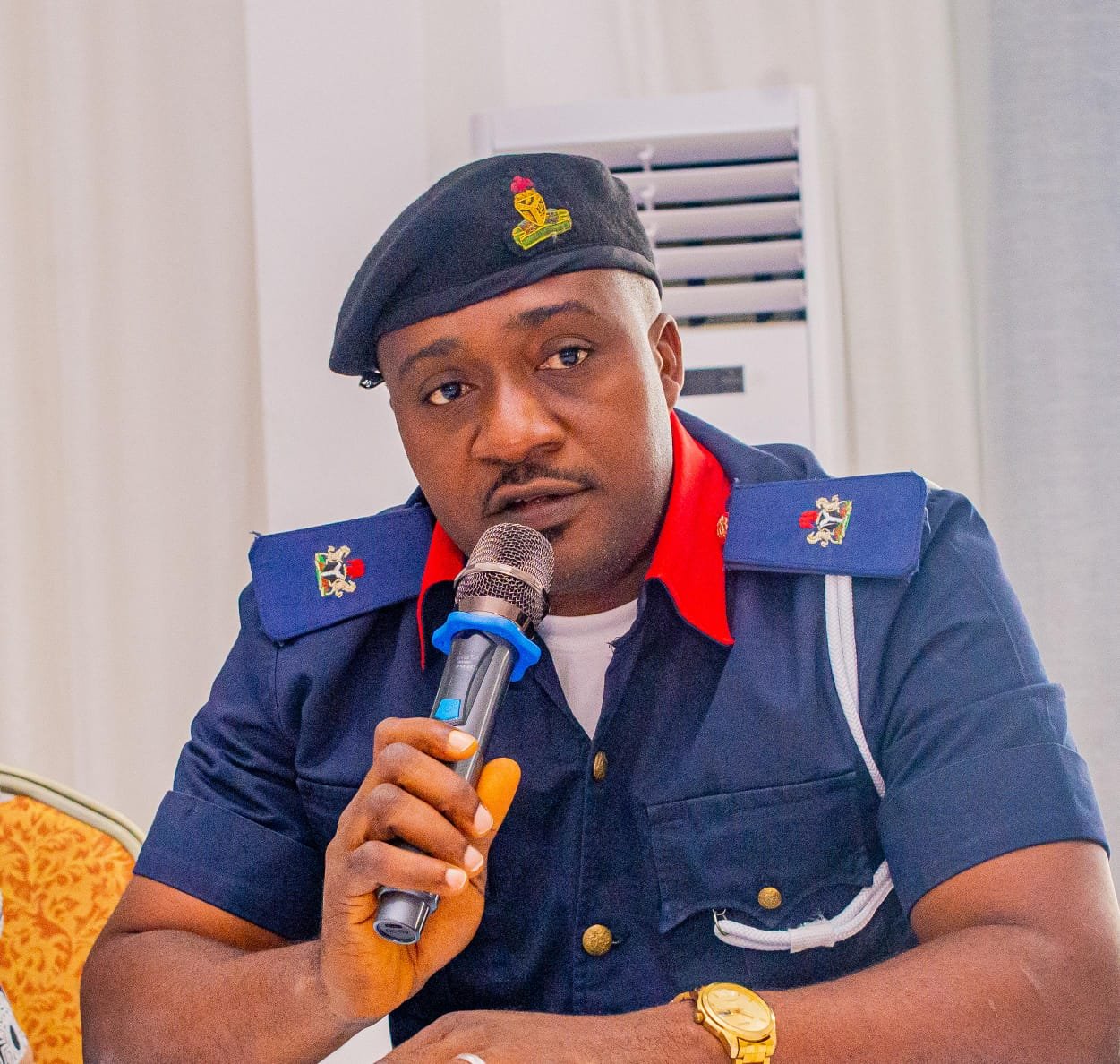
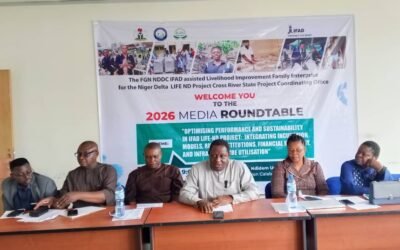
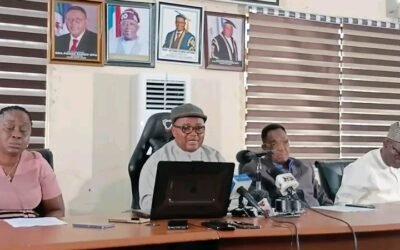
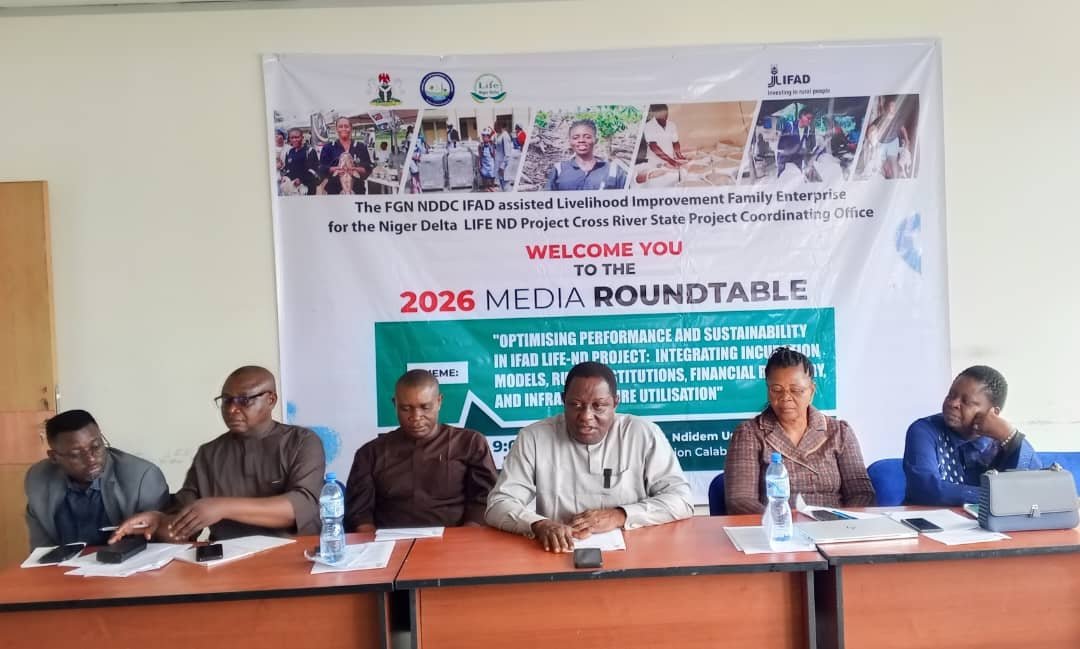
The State Project Coordinator, Dr Innocent Ogbin, disclosed these figures during the 2026 Media Roundtable held on Thursday, April 2, 2026, at Prof. Eyo Ita House in Calabar. The event served as a comprehensive review of the project’s impact as it transitions from its initial six-year phase into an Additional Financing (AF) period.
Giving an overview, Ogbin said the project has successfully facilitated the creation of 4,370 direct jobs. Demonstrating a strong commitment to social inclusion, the employment data shows that 2,009 of these positions are held by females, while 398 are female-headed households. The project also successfully integrated 196 persons with disabilities (PWDs) into the workforce.
READ ALSO: 38th Convocation: UNICAL to graduate 10820, reaffirms commitment to reforms, skill development
“Agriculture is the cornerstone of Cross River State’s economy,” Ogbin stated during his presentation. “The LIFE-ND Project was designed to harness this potential by strengthening agricultural value chains and promoting market-oriented family enterprises.”
The breakdown of the N5.5 billion aggregate income highlights the performance of key commodities, with rice value chain leading the sectors with over N2.5 billion generated across production, seed multiplication, and processing. Following closely is fish value chain, contributing approximately N1.26 billion. Poultry production generated N922.7 million in gross income; while cassava value chain accounted for over N825 million through production, processing, and stem multiplication.
According to the coordinator, to bolster these economic gains, the project invested heavily in rural infrastructure. “Accomplishments include the construction of 27.7 km of earth roads, the development of 1,102 hectares of agricultural land, and the establishment or rehabilitation of 27 rural markets and processing facilities. These interventions have significantly improved rural connectivity and market access for the 10 participating Local Government Areas (LGAs).”
He said the project has also pioneered a robust financial inclusion model, stating that over 2,700 active savers have mobilized N44.1 million in savings, while 2,510 beneficiaries have been linked to insurance through the Nigerian Agricultural Insurance Corporation (NAIC). Notably, “Champion Incubatees” who accessed loans demonstrated a 93% repayment rate, signaling a healthy credit culture among rural entrepreneurs.
Earlier in his welcome address, Christian Ekpor, the State Knowledge Management and Communication Officer, emphasized that while the gains are significant, the focus must now shift toward long-term viability.
“We are conscious that sustainability remains a major concern,” Ekpor said. “This roundtable is an open, solution-oriented platform to engage you directly on how the project is performing. It is about learning, transparency, and improvement.”
Beyond direct income, the IFAD-Assisted LIFE-ND Project reported significant strides in “Nutrition Mainstreaming,” establishing 12 school gardens and training over 370 beneficiaries in community nutrition. On the environmental front, 3,250 incubatees received climate change adaptation training, and 860 economic trees were planted to promote biodiversity.
As the project moves deeper into its Additional Financing phase, it aims to create an additional 3,626 jobs. The state coordinating office confirmed that 2,996 new beneficiaries have already been profiled for Business Development Services (BDS), focusing on financial literacy and market linkage to ensure the next generation of agribusinesses remains resilient.
The LIFE-ND project is a joint intervention supported by the International Fund for Agricultural Development (IFAD), the Federal Government of Nigeria, the Niger Delta Development Commission (NDDC), and the Cross River State Government.