








By Frank Ulom
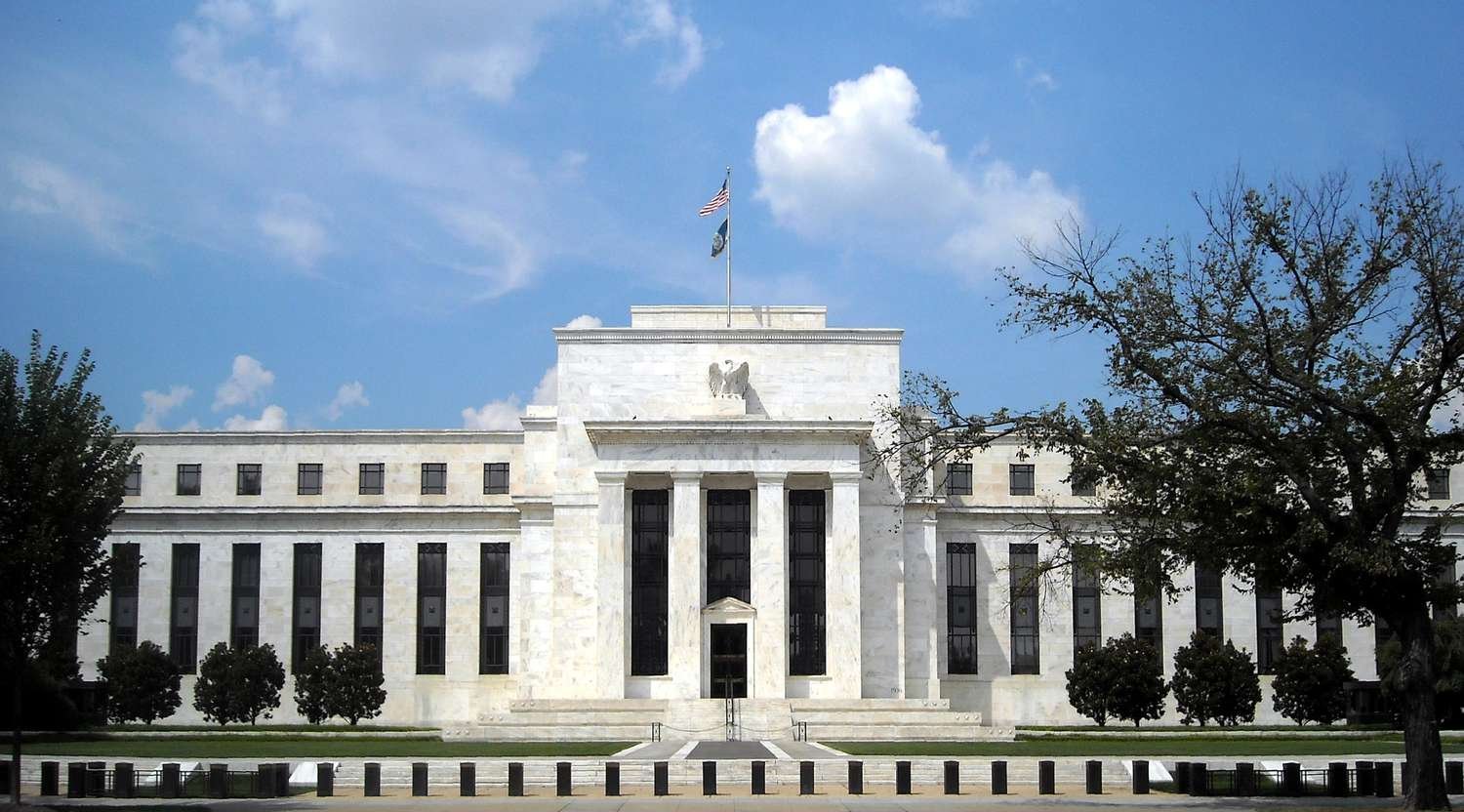
The Federal Reserve faces a classic supply-side challenge from the oil surge, which risks pushing core PCE inflation back toward 3% despite a softening labour market. At its March 2026 meeting, the Fed held rates steady at 3.50%-3.75%, with the dot plot showing zero to one 25bp cut for the year as inflation expectations rise.
Policy Stance: Hold or Hawkish Pivot
Fed Chair Powell noted higher energy prices will elevate headline inflation short-term but stressed the long-term 2% target remains intact, viewing the shock as potentially transitory if geopolitical tensions ease. Officials like Paulson express worry over entrenched inflation expectations. Markets now price 52% odds of a hike by year-end, per futures, as import prices jumped 1.3% in February.
Historical Precedents and Scenarios
Past oil shocks (1970s, 2008) saw the Fed tighten if inflation persisted beyond six months, avoiding hikes for one-off spikes. Analysts outline three paths:
Key Constraints
The Fed lacks tools for supply disruptions, focusing on demand restraint if second-round effects (wage/food price spirals) emerge. Dual mandate tension grows: unemployment at 4.4%, yet OECD sees US inflation at 4.2%. Next FOMC (late April) will scrutinise CPI/PCE data for persistence.