









By Ovat Abeng
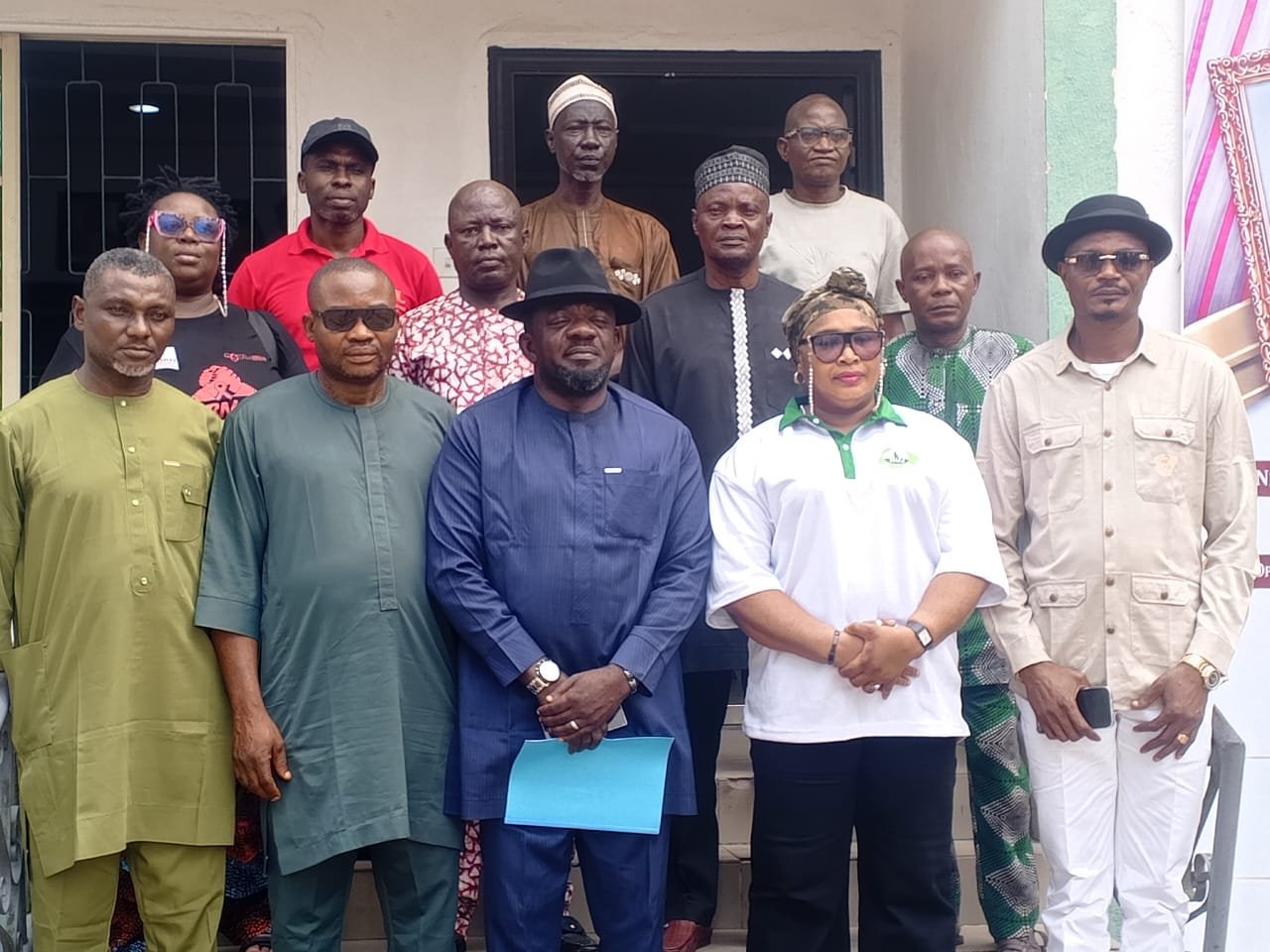
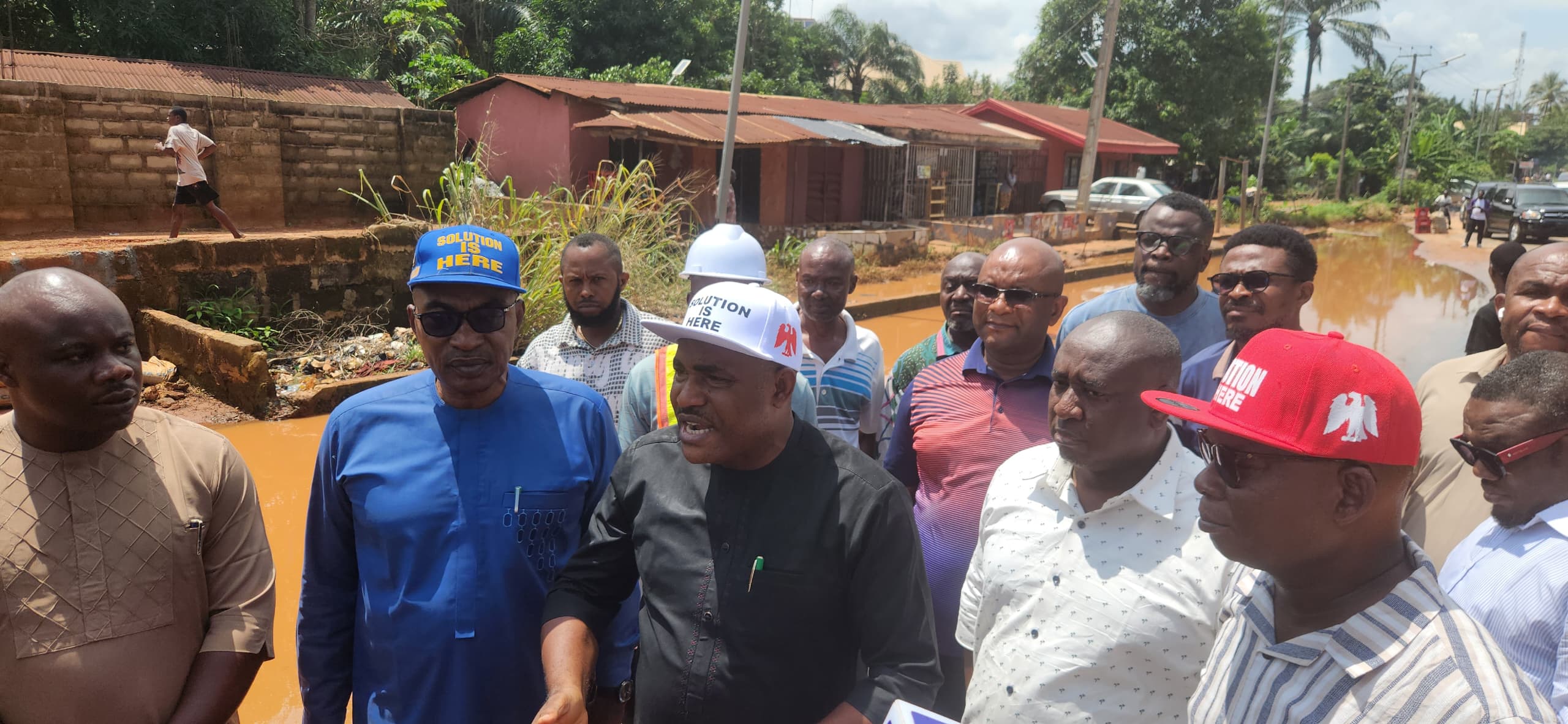
In a decisive move to address the recurring flood disasters affecting parts of Anambra State, a high-powered delegation of government officials conducted an on-the-spot assessment of flood-ravaged communities in Ogidi, Idemili North Local Government Area, and Trans Nkisi, Onitsha North Local Government Area.
The inspection team was led by the Commissioner for Works, Architect Okey Ezeobi, who was joined by the Commissioner for Physical Planning, Barr. Oseloka Ojukwu, the Commissioner for Environment, Barr. Clems Aguiyi, the Special Adviser on Special Projects, Professor Ebuka Nwankwo, and the Mayor of Idemili North Local Government Area, Engr. Stanley Nkwoka.
During the visit, the team toured several areas, including Ogidi Road and Building Materials Market, among others, that have been severely impacted by recent heavy rainfall, focusing on identifying the primary factors contributing to the persistent flooding, which has frequently displaced residents, destroyed property, and disrupted socio-economic activities across the region.
READ ALSO: Otu Nominated for National MSME-Friendly Governor of the Year Award
After a thorough evaluation of the affected sites, the team concluded that the flooding is primarily driven by human-induced environmental challenges, particularly the construction of buildings on natural waterways and the persistent blockage of existing drainage channels with debris and unapproved structural expansions.
Speaking following the exercise, Architect Okey Ezeobi emphasized the government’s commitment to providing a permanent solution to the crisis, stating that the administration is prioritizing the reclamation of waterways and the removal of illegal structures that obstruct the free flow of water.
The Commissioner highlighted that the government is adopting a multi-agency approach to ensure that environmental regulations are strictly enforced, further noting that the findings from the inspection will guide the immediate commencement of remedial works and the implementation of long-term infrastructure improvements necessary to safeguard the lives and livelihoods of people in the affected areas.
The government officials called on residents to cooperate with the authorities by adhering to town planning laws and desisting from the disposal of waste in drainage systems, noting that collective responsibility is essential to preventing future incidents of flooding.