



By Ovat Abeng
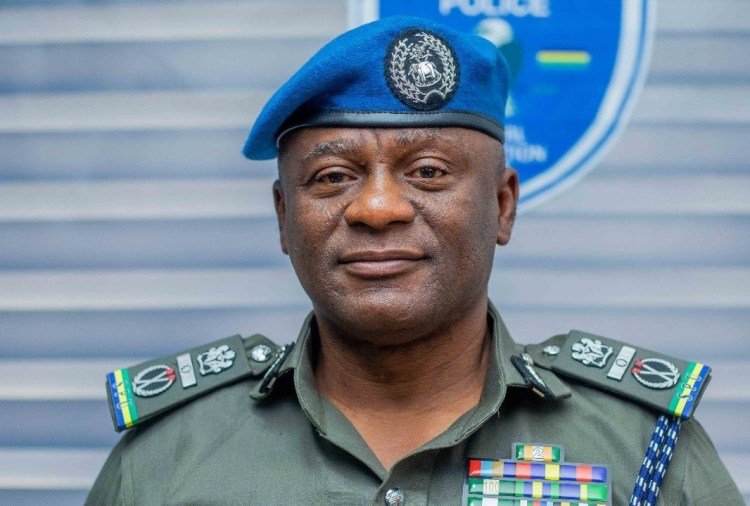
Chief Kenneth Afamefuna Ezekwesili has petitioned the Inspector General of Police IGP, Mr Tunji Disu over the protracted Obuagu land dispute in Awka, a case dating back to 1974 and now pending before the Supreme Court.
Ezekwesili also level allegation against Anambra State CID officer, Monday Umunna over his conduct in the land disputes.
He described the officer alleged involvement as deeply troubling.
READ ALSO: BREAKING: Tinubu sacks two top ministers
According to him, the matter has already passed through the High Court in Awka and the Court of Appeal in Enugu, Enugu State, Yet, despite its clear judicial trajectory, there are allegations of police involvement marked by arrests, intimidation, and bail conditions reportedly tied to the disputed land.
“Placed side by side, the Ezekwesili petition and the accusations against Monday Umunna reveal a consistent and dangerous trend: the creeping substitution of judicial authority with police discretion in matters strictly reserved for the courts.
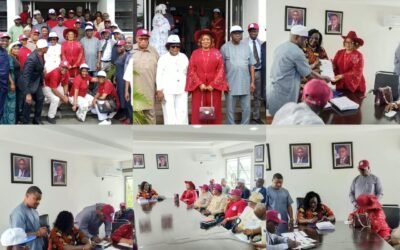
“In Umunna’s case, the Awka Umuiyom Indigenous Women group, led by Mrs. Cordelia Ozue, alleges that since 2023 he has persistently interfered in their ancestral land disputes.
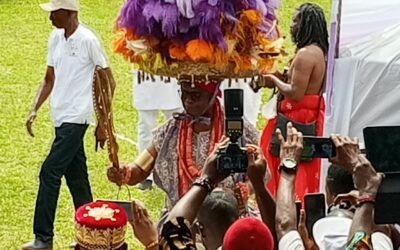
His actions, they claim, provoked a culturally significant naked protest — an extraordinary form of resistance that signals deep communal grievance.
The group accuses him of framing allegations without proper investigation, frustrating ongoing court processes, and engaging in conduct that suggests financial inducement, including an alleged bribe from a prominent Awka figure. There are also claims of pending court cases relating to human rights abuses linked to his involvement in land matters.
These are not minor accusations. They go to the core of what policing should represent in a constitutional democracy.
When an officer repeatedly intervenes in disputes already before competent courts, it raises serious questions about the erosion of due process.
When such interventions allegedly come with arrests, threats, or financial undertones, the line between law enforcement and coercion becomes dangerously blurred.
Equally troubling is the recurring reliance on charges such as “conduct likely to cause breach of peace” as justification for intervention.
While maintaining public order is a legitimate police function, it must not become a blanket excuse to intrude into civil disputes or tilt the balance in favour of one party.
The Obuagu case reinforces this concern. If a matter that has endured decades of litigation and reached the nation’s highest court can still attract police interference, then the sanctity of the judicial process itself is at risk. It suggests that even the most advanced stage of adjudication offers no protection from external disruption.
The response by State Police Public Relations Officer, SP Tochukwu Ikenga that he is yet to be fully briefed but is open to reviewing the petition — is a necessary first step. However, the gravity of these allegations demands more than procedural acknowledgment.
The State Commissioner of Police, CP Ikioye Orutugu, must initiate a transparent and independent investigation into Monday Umunna’s activities. If found culpable, disciplinary action must be decisive and serve as a deterrent.
At the same time, the issues raised in Chief Ezekwesili’s petition must be treated with equal urgency at the national level.
This is not merely about one officer or one dispute. It is about institutional integrity.
The Nigeria Police Force must not be seen as a parallel land tribunal or an enforcement arm for private interests. Its credibility depends on strict adherence to its constitutional mandate protecting lives and property, not determining ownership of contested land.
The Inspector-General of Police must therefore issue clear and enforceable directives prohibiting interference in civil land matters, except in situations of immediate and verifiable threats to public peace and even then, within strictly defined legal limits, Mrs Ozue concluded.