

By Kelvin Obambon
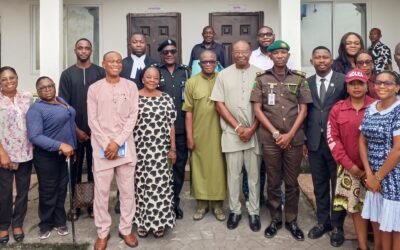
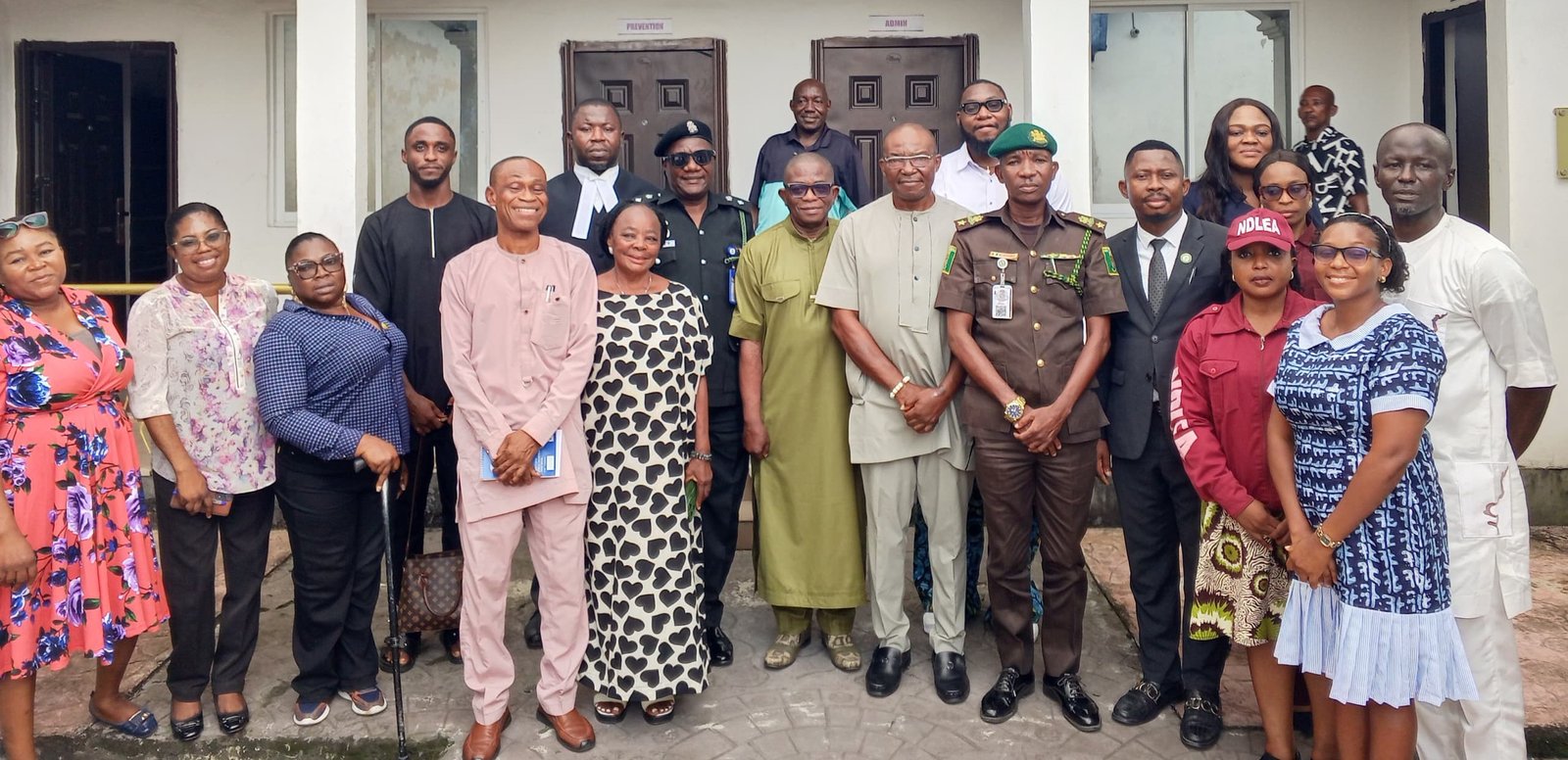
The National Human Rights Commission (NHRC) on Monday held a one-day state-level sensitization programme on its Emergency Response Framework aimed at reducing human rights violations against key and vulnerable populations in Cross River.
The engagement which took place in Calabar, the state capital, brought together participants from security agencies, government ministries, departments and agencies, civil society organisations, the Nigerian Bar Association, Legal Aid Council and other stakeholders.
Executive Secretary of the Commission, Dr Tony Ojukwu, in a welcome remark, described key and vulnerable populations – including people living with HIV, persons affected by tuberculosis, people who use and inject drugs, female sex workers, men who have sex with men, transgender persons and other underserved communities – as among the groups most exposed to stigma, discrimination, exclusion, violence and other rights abuses.
READ ALSO: C’River Central senatorial district commits to re-election of President Tinubu, Governor Otu
Ojukwu who was represented by the state coordinator of NHRC, Mr Remi Ajuga, noted that emergencies for these groups often arise from violence, unlawful arrests and detention, harassment, forced eviction, discrimination in healthcare settings, denial of essential services, breaches of confidentiality and community hostility.
“The Emergency Response Framework is an important mechanism for ensuring that incidents of human rights violations and other emergency situations affecting key and vulnerable populations are identified, reported, documented and addressed promptly and effectively,” he said.
The human rights chief explained that the framework seeks to strengthen coordination among stakeholders, establish clear response and referral pathways, improve access to legal assistance and psychosocial support, enhance incident documentation and promote accountability.
He stressed that protection of these populations is fundamentally a human rights obligation, not merely a public health concern, and that the right to dignity, equality, non-discrimination, personal liberty, privacy and access to justice must be respected at all times.
Ojukwu urged participants to strengthen collaboration with community-led organisations, protect the confidentiality and safety of those who report violations, and ensure response mechanisms remain accessible and non-judgmental. “Nothing about these populations should be done without meaningful engagement with them.”
He expressed confidence that the engagement would strengthen collective response capacity and contribute to a more inclusive and rights-respecting environment for key and vulnerable populations in line with the Nigerian Constitution and international human rights standards.
Participants later shared their takeaways from the training.
CSC Effanga Etim, Public Relations Officer of the Nigerian Correctional Service, Cross River Command, said the training focused on synergy among uniformed bodies, stakeholders and professional groups involved in security and response in the state.
“We’ve talked about how preparedness among security agencies ought to be while responding to situations involving vulnerable populations in the state,” he said. “The training today has been a success.”
Alhaji Shaaban Abdullahi, representing the Muslim community and civil society groups, described the training as pertinent because civil society acts as “the mouth of the mouthless” and reaches communities where government presence is limited.
“With this training today, it has given us ample opportunity to voice out for those who are voiceless,” he said, adding that the presence of the Human Rights Commission has increased public awareness that rights must not be violated.
Jenny Christopher of the National Orientation Agency said the sensitization reinforced the principle of “if you see something, say something.”
“It’s an enlightenment to make us understand that we have to protect the vulnerable and also to protect their rights,” she stated. “Let them know if you have someone that is being violated, and you have the Human Rights Commission to report cases to.”
She added that NOA would carry the message to the public, educate citizens on their rights and facilitate reporting of cases to appropriate agencies, noting that lawyers are available to assist those who cannot afford legal fees.