







By Kelvin Obambon
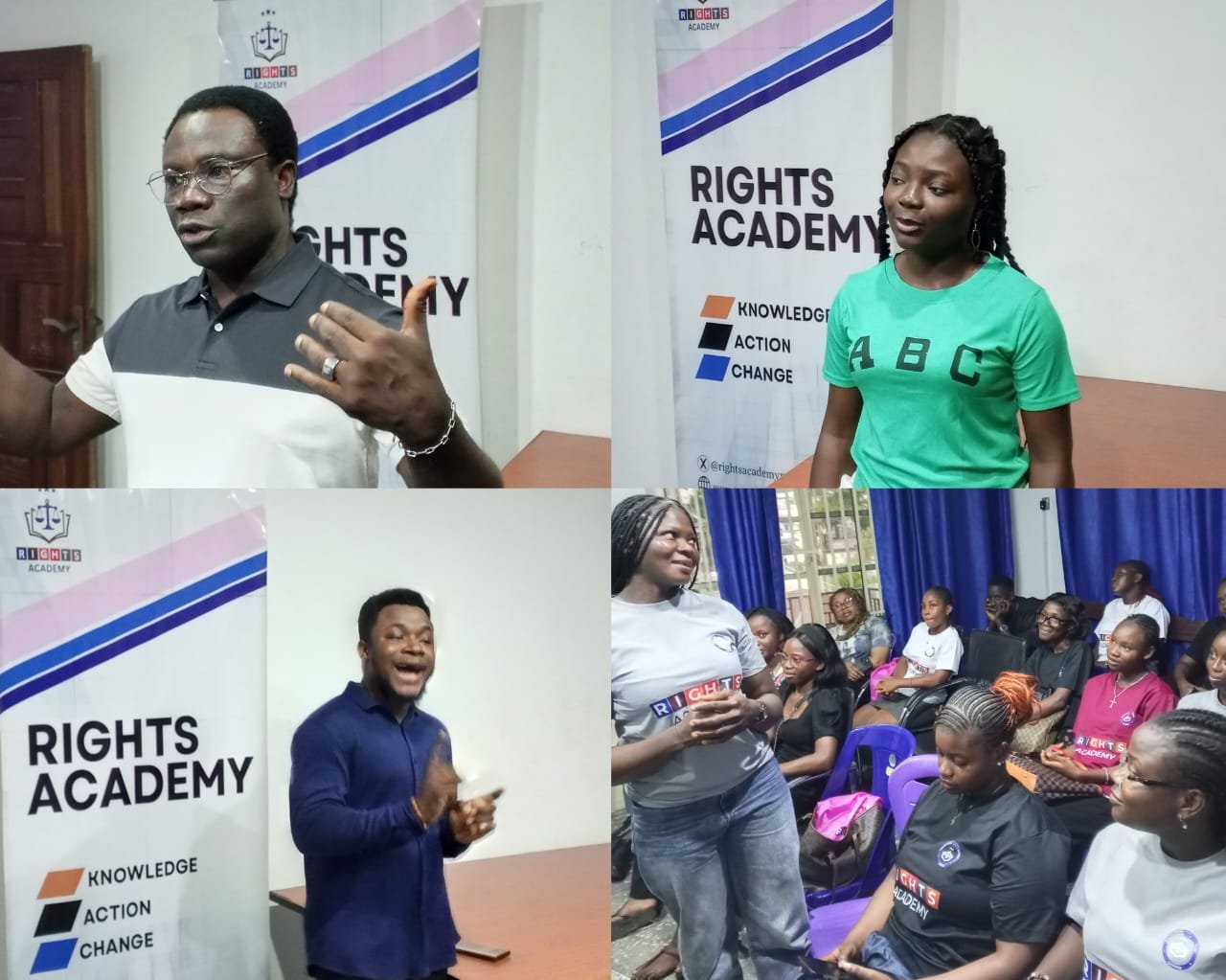
In a bid to expand its impact and equip the next generation of social change agents, We The People (WTP) Center for Social Studies and Development has officially inaugurated the fifth cohort of its flagship training initiative, the Rights Academy.
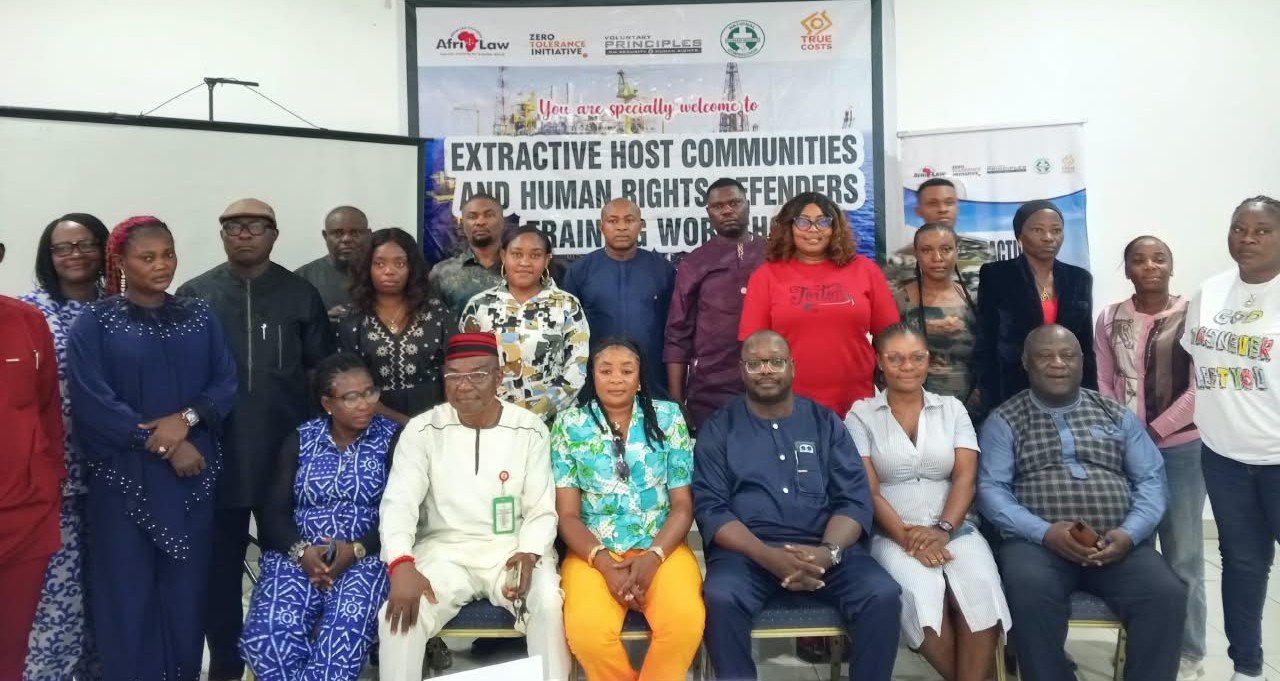
The launch event, which welcomed an expanded class of 21 young fellows selected from a highly competitive pool of over 100 applicants, marks the expansion of a programme designed to bridge the gap between human rights advocacy and ecological justice.
Speaking during the inauguration in Calabar on Friday, Ken Henshaw, the Executive Director of We The People, revealed that while the academy traditionally admits between 14 and 15 participants to facilitate intensive group work, the exceptional qualities of this year’s applicants forced an organizational pivot.
READ ALSO: 50 Winners Emerge in Governor Otu’s 3rd Anniversary Projects Writing Trivia
“We had a problem. We had to sit down and hold a meeting. They were too good; we couldn’t take 15. We had to take 21,” Henshaw stated. He expressed immense confidence in the new intake, noting that despite the spatial constraints of the training hall, the center chose to “expand our reach” because the fellows came “very highly recommended.”
Reflecting on the historical genesis of the academy, Henshaw traced the concept back to 2012 following a community survey he conducted in Diobu, a low-income, heavily policed neighborhood in Rivers State. The survey revealed a startling reality: nearly 80 percent of local youths believed that routine police extortion, arbitrary arrests, and physical torture were legitimate law enforcement powers, with many unaware that bail is legally free.
“What dawned on me was the fact that atrocities and abuses thrive because victims of those atrocities do not know their rights,” Henshaw said.
While the programme initially focused strictly on civil liberties, the organization rethought its curriculum ahead of its official launch in 2023. “If you have all the human rights in the world, and you do not have a world to live in, it is a waste of time,” Henshaw noted, explaining that the modern Rights Academy focuses heavily on the nexus between human rights and ecological rights.
Henshaw, who credited his own trajectory as an activist to the mentorship he received in 1995 from radical university lecturers in the Patriotic Youth Movement of Nigeria (PYMN), emphasized that the Rights Academy is built to be a lifelong ecosystem rather than a standard school.
“It’s a school where you come, you learn, but you don’t graduate… We want to support you to build your own organization. We want you to build your own fight,” he added, citing successful alumni campaigns that range from planting 3,000 mangroves to restore depleted wetlands to lobbying the National Assembly for the eradication of taxes on sanitary pads to combat period poverty.
The intensive programme is structured to run for 13 to 15 weeks, combining physical sessions on Saturdays with virtual classes on Wednesdays. The Academy warned incoming fellows to prepare for a learning experience that will deeply challenge conventional wisdom, social biases, and institutional paradigms.
Grace Apollos, a lawyer and Programme Manager at We The People, stated that the academy targets youths because they are the demographics destined to live longest with the long-term consequences of today’s policy decisions.
“The Rights Academy accepts you very bare – come as you are, but you should be willing to learn, unlearn, and relearn,” Apollos said. “We are going to stretch the capacity of your thinking, and things you think you know may be challenged, and it will get you quite uneasy.”
Clarifying the pedagogical approach of the academy regarding sensitive social issues, Apollos stated that the institution is not an advocacy group for specific lifestyle practices but rather a space for critical interrogation. “What the Rights Academy is set up for is to interrogate the dynamics,” she explained, urging fellows to question state regulations on personal autonomy as long as individual choices cause no harm to a third party.
Reaffirming the programme’s track record, the Prefect of the Academy, Jude Edu, stated that the initiative has consistently produced verifiable community transformation on both local and international levels.
“We are an agent of transformation,” Edu said. “What we do in this society is that we try to ensure that the rights of people are upheld, and to empower young people with knowledge for them to take action.”
He disclosed that while the academy is maintaining its proven baseline structure and core facilitators, Cohort 5 will feature significant updates. “One of the things that we are tweaking is that we are adding some more radical moves and more radical theologies to our curriculum,” Edu announced. “Another new feature of this cohort is that we’re going to go on field trips. We’re going to see the mangroves; we’re going to see the prisons, so we can instill more passion in them.”
The Academy however urged the new fellows to remain resilient through the demanding weeks ahead, fostering a sense of solidarity and community that extends beyond the classroom into lifelong human rights defense.