










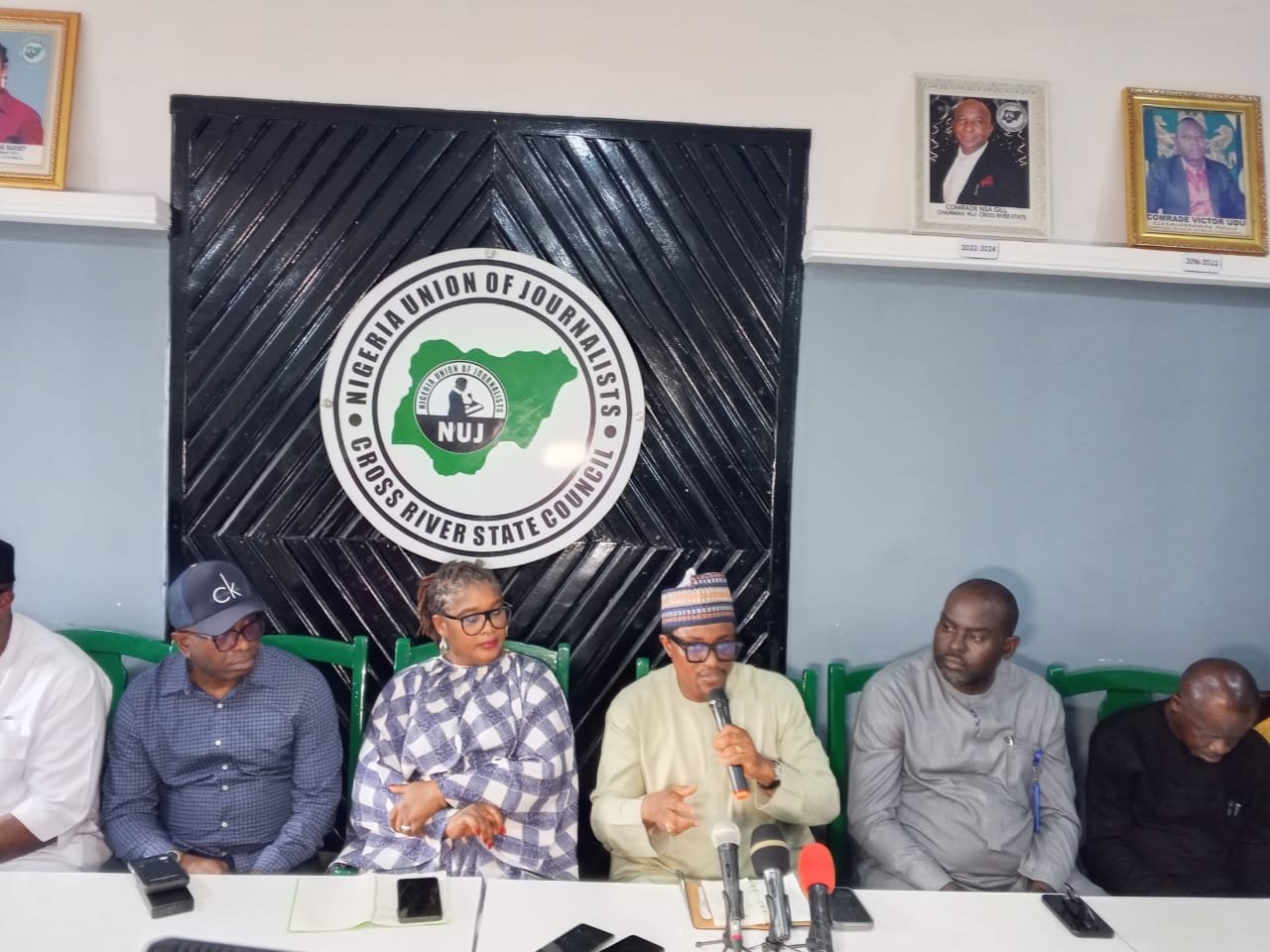
The Cross River State Government has announced an ambitious seven-year strategy aimed at positioning the state as Nigeria’s premier coffee-producing hub. The comprehensive plan includes the distribution of 30 million coffee seedlings, the establishment of local processing facilities, and the introduction of new sector-regulating legislation.
The Commissioner for Agriculture and Irrigation, Johnson Ebokpo, disclosed the initiative during a press conference in Calabar. Describing coffee as an untapped economic opportunity, Ebokpo emphasized its potential to transform the state’s economy and significantly reduce its dependence on oil revenue.
“We want to transition from dependence on oil to coffee and cocoa as major foreign exchange earners,” Ebokpo stated. “Coffee is the second most traded commodity in the global market, and we are determined to make Cross River the leader in this subsector in Nigeria.”
READ ALSO: ACRIMMERS Pays Courtesy Visit to Akamkpa Chairman, Seeks to Develop Local Acting Talent
To ensure the initiative aligns with global best practices, the state government has already conducted study visits to leading coffee-producing nations, including Ghana, Ethiopia, and Côte d’Ivoire. Additionally, the government has secured more than 27,000 hectares of land across Cross River’s three senatorial districts to drive large-scale cultivation.
According to the commissioner, 13 million coffee seedlings have already been distributed, targeting farmers in the Northern and Southern Senatorial Districts where soil and climatic conditions are optimal for the selected coffee species. The remaining 17 million seedlings will be distributed over the course of the seven-year plan at a subsidized rate of ₦300 each to encourage widespread participation. Women and young people will be prioritized under the program, and a farmer enumeration exercise has already been completed ahead of full implementation.
To support the value chain, institutionalize marketing, and create jobs, Cross River plans to establish a Coffee Commodity Exchange Board, a Produce Board, and localized processing plants to add value to the locally grown beans.
The initiative is also receiving strong legislative backing. Samuel Abang, Chairman of the State House of Assembly Committee on Agriculture and member representing Ikom II State Constituency, confirmed that the legislature is currently reviewing two executive bills designed to support coffee and economic crop development. Both bills have already passed their first and second readings and aim to provide a stable legal framework to accelerate investment.
The state’s strategy has drawn praise from agricultural leaders and technical partners alike. Dr. Hassan Usman, National President of the National Coffee and Tea Association of Nigeria, commended the government’s foresight, noting that association research in communities like Boki and Obudu confirms the state’s ideal climate and soil. He estimated that the 30 million seedling distribution would benefit roughly 28,000 smallholder farmers, particularly women and youths, while generating widespread employment.
Blessing Nanman, Chief Executive Officer, Lingzhi Global Nigeria Ltd, also expressed confidence in Cross River’s agricultural potential. Nanman who is the technical partner to the ministry of agriculture and irrigation development, revealed that plans are already underway to host an international Coffee Festival in the state and establish a Coffee Academy to foster local skill development and attract global investors to the emerging industry.