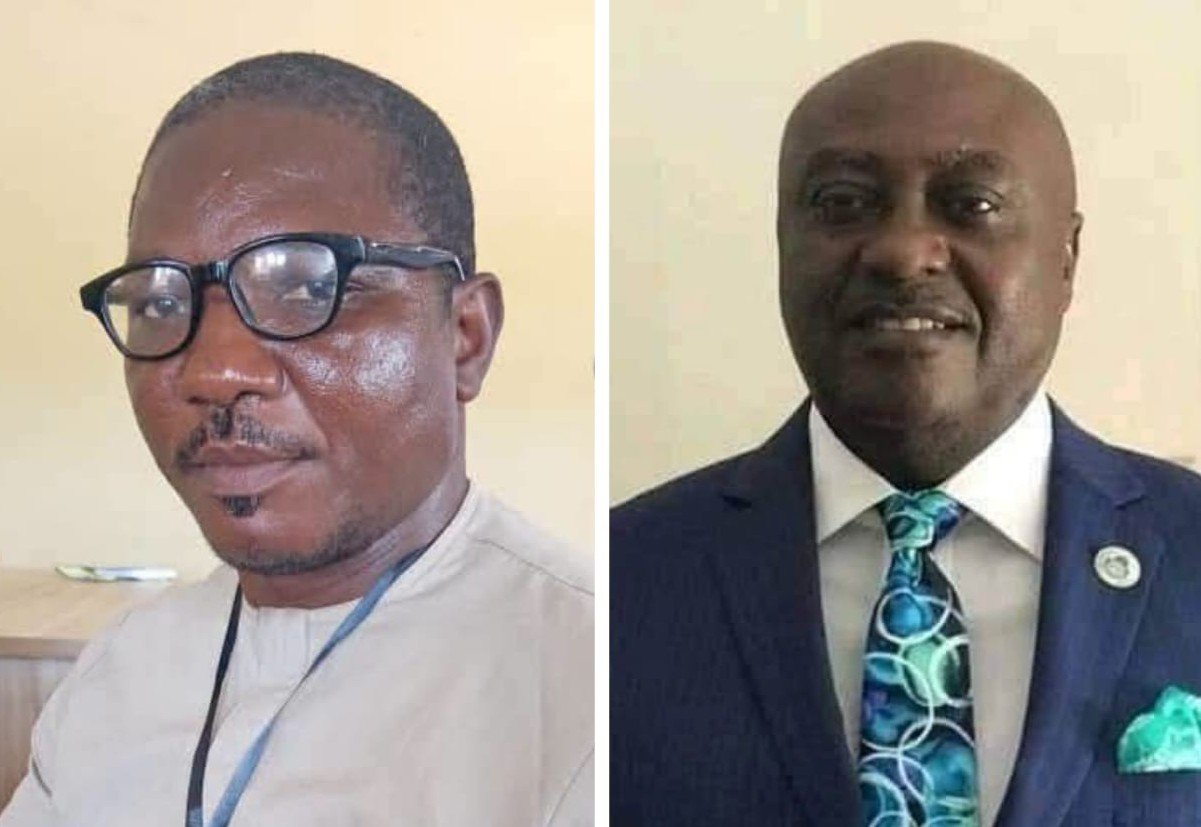




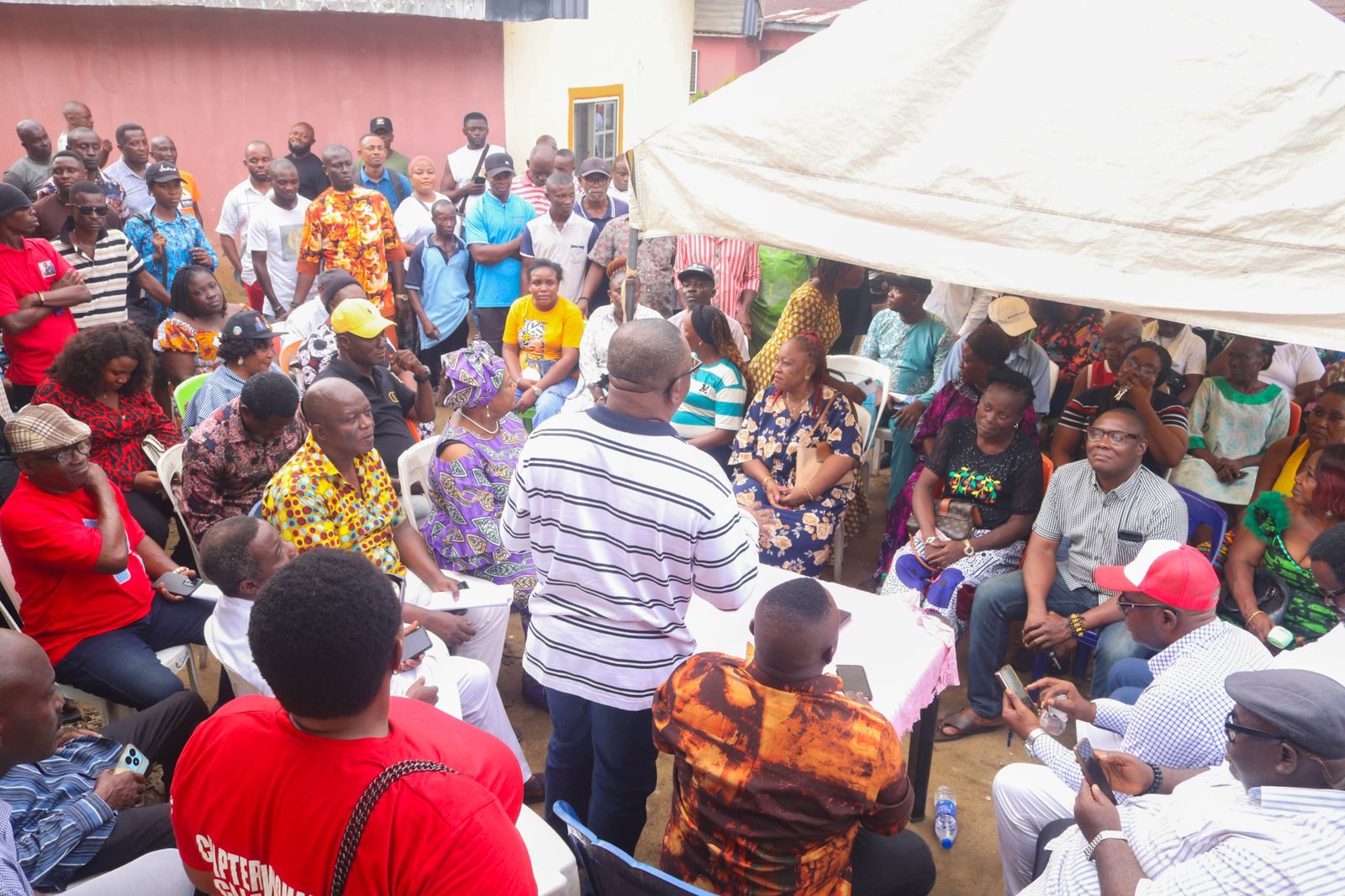
Cross River State communities are recording increased access to infrastructure, healthcare, and humanitarian support through intervention programmes of the Niger Delta Development Commission, with Rt. Hon. (Chief) Orok Duke PhD serving as the state’s board representative at the Commission.
His board-level role has supported the consistent inclusion of Cross River State in NDDC programmes spanning solar-powered streetlight installations, environmental sanitation, medical outreach, and the distribution of relief materials including food items, household supplies, and farming tools to communities across the state.
Stakeholders have noted that sustained representation at board level has contributed to the steady flow of intervention-driven projects to both urban and rural communities, complementing government infrastructure delivery and social welfare programmes.
READ ALSO: Hospital shutdown over patient’s death in C’River
The NDDC was established to address the infrastructure and development deficits that have long affected Niger Delta states, including Cross River. Its mandate is broad, covering physical infrastructure, environmental management, social welfare, and humanitarian support but the distribution of its resources is not automatic. States that benefit consistently are those with active, engaged representation within the Commission’s governance structure, and Cross River’s recent record reflects exactly that.
Duke’s engagement at the board level has involved making the case for Cross River State’s communities within the Commission’s project allocation process, ensuring the state is not sidelined when intervention programmes are being planned and assigned. The result has been a pattern of inclusion that communities across the state are beginning to feel on the ground.
Among the most visible outcomes is the installation of solar-powered streetlights across parts of Cross River State. In areas where public lighting was previously inadequate or entirely absent, the project has brought a practical change to everyday life. Streets that were once dark and difficult to move through after sunset are now lit, improving safety, encouraging movement, and supporting the kind of evening economic activity that darkness previously shut down.
Environmental sanitation has also received attention. The supply of refuse dumpsters to selected communities addresses one of the most persistent and visible problems in many urban neighbourhoods, the absence of proper waste disposal infrastructure. Poor waste management is not only an environmental concern; it is a public health issue that affects the quality of life of residents daily. The intervention, modest as it may appear, responds to a real and ongoing community need.
Humanitarian support has reached some of the state’s most vulnerable populations through the distribution of food items, household supplies, and farming tools. In rural communities where access to formal welfare programmes is limited, this kind of direct, material support carries significant weight. For households managing on very little, receiving farming tools at the right time of year or food supplies during a lean period is assistance that makes a measurable difference.
Healthcare delivery has been another focus. Medical outreach programmes, facilitated through NDDC intervention frameworks, have brought health consultations and basic treatment to communities where access to a hospital or clinic is not straightforward. Distance, cost, and limited facilities have long kept many Cross River residents from regular medical attention. The outreaches have helped bridge that gap, giving people in underserved areas the opportunity to be examined, diagnosed, and treated, sometimes for conditions they had been living with unattended.
The interventions reflect a coordinated approach to bridging development gaps and improving living conditions, reinforcing Cross River State’s place within the NDDC’s mandate across key sectors. Taken together, they point to a representative who has understood his role and has used his position at the Commission to ensure that federal intervention resources find their way to the communities they were designed to serve. For Cross River State, the impact is visible, and it is growing.