




By Our Reporter
Residents fleeing Odonget community in Obubra Local Government Area of Cross River State have raised an alarm over a burgeoning humanitarian crisis, accusing the Nigerian Army of preventing them from retrieving and burying loved ones killed during last week’s violent clashes.
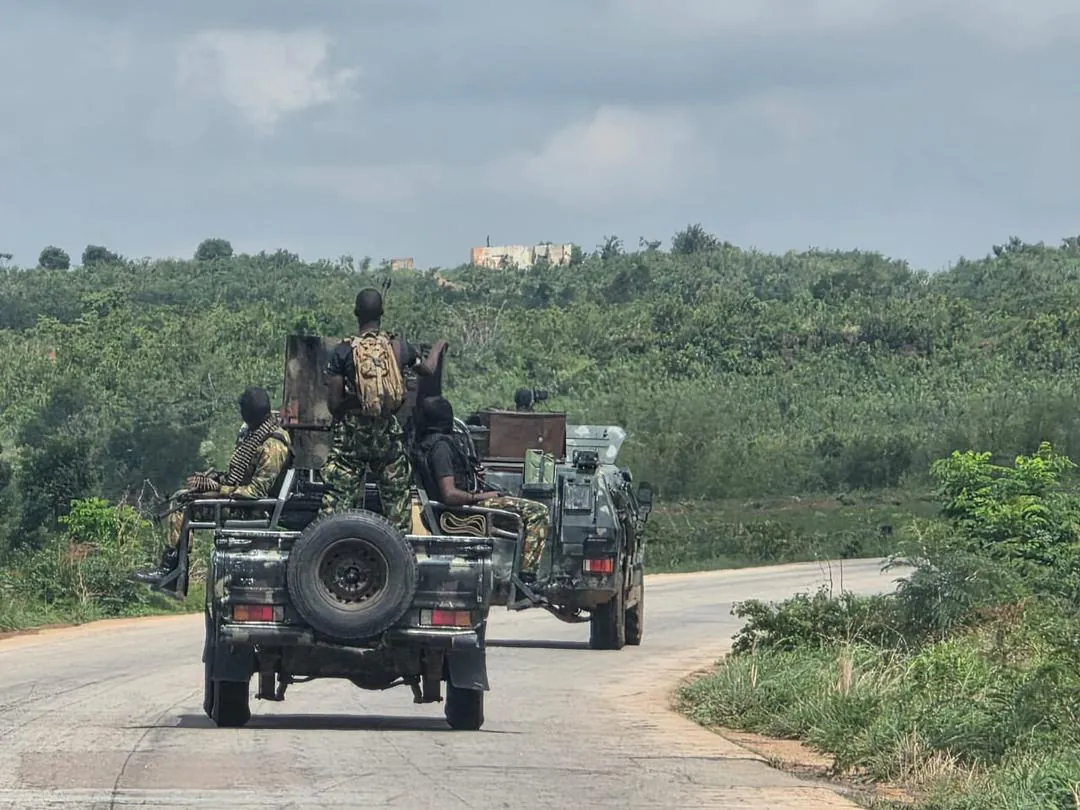
The community remains under a heavy security lockdown following the deployment of troops from the 13 Brigade of the Nigerian Army and the 245 Battalion, Edor Barracks. While the military maintains its presence is a “stabilization measure,” locals paint a grimmer picture of decomposing remains and fresh violence.
A Community in Mourning and Fear
Theo Abeng, an Odonget youth leader currently taking refuge in the neighboring Ochon village, alleged that attempts to return for funeral rites have been met with lethal force.
READ ALSO: FRSC to drivers: there’s no supermarket for human spare-parts, drive carefully
“The soldiers opened fire on us. One of the boys was killed and we had to flee, leaving his body behind,” Abeng stated. “We also saw bodies from last week still decomposing because they have not been buried.”
According to Abeng, the military maintains a constant, rotating presence in the village with patrols operating day and night, effectively cordoning off the area from its inhabitants.
Roots of the Conflict: Illegal Mining and Allegations
The unrest is deeply tied to illegal mining activities in the region. The crisis reportedly began on March 11, following an incident involving Ibrahim Musa, a miner. Sources indicate that Musa was allegedly assaulted by local youths at a checkpoint where his minerals were seized.
After Musa reported the encounter to the 245 Battalion near Ochon, troops moved into Odonget to effect arrests. The situation rapidly spiraled out of control as local youths blocked access roads to confront the soldiers. The ensuing exchange of gunfire left several injured and reportedly resulted in the deaths of two soldiers, which triggered a massive reinforcement of troops to the area.
Beyond the immediate violence, Abeng leveled serious allegations against the military’s conduct regarding the local resources. He claimed that some soldiers were complicit in illegal mining, alleging they have been “seizing precious stones, such as reportedly tin ore, from miners,” many of whom he identified as being from northern Nigeria.
The Military Response
The Nigerian Army has denied allegations of misconduct, framing their actions as a necessary response to an armed ambush. In a statement released on March 12, Major Yemi Sokoya, Assistant Director of Army Public Relations for the 13 Brigade, described the deployment as a move to restore order.
According to Major Sokoya, troops were ambushed by unidentified gunmen while leaving the area. “During the engagement, troops neutralised four of the armed attackers, while several others escaped,” he stated.
Sokoya maintained that the “show of force” by the military had successfully calmed tensions and restored normalcy to the community, a claim that stands in stark contrast to the reports of fleeing residents and unburied dead.
Government Intervention
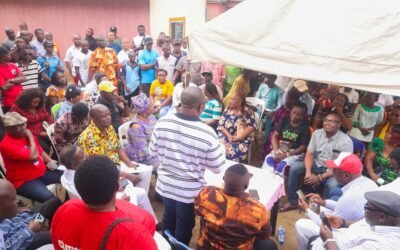
In an effort to assess the situation, Major General Obono Ubi, the Special Adviser to Governor Bassey Otu, reportedly visited the embattled community a few days ago. However, the state government has yet to release a formal plan regarding the safe return of residents or the sanitation of the area where bodies are allegedly still lying in the open.
As the standoff continues, the people of Odonget remain displaced, caught between the violence of illegal mining interests and a heavy-handed military response that they claim is denying them the basic human right to bury their dead.